 (Image via
Children who grow up using two languages develop unique cognitive abilities as they navigate between different ways of communicating. When teenagers alternate between languages like Spanish and English or Mandarin and French, their minds adapt and become more flexible. This article highlights seven hands-on ways to encourage clearer thinking and stronger problem-solving skills among bilingual youth. Blending language games, fun challenges, and collaboration can build inventive thinking that benefits students in schoolwork, daily situations, and future job opportunities. Whether through playful conversation or group activities, young people can strengthen valuable skills that support them throughout their academic journey and beyond.
Understanding Metalinguistic Awareness
Metalinguistic awareness means noticing how language works instead of just using it. Ask teens to compare sentence structures in each language. For example, Spanish often places adjectives after nouns, while English usually puts them before. Spotting these patterns helps students think about words as flexible tools, not fixed rules.
You can hold quick language-spotting games during downtime. Pick a sentence in one language and challenge them to translate it while tweaking word order. This exercise boosts mental flexibility. Over time, thinking about language helps develop a sharper sense of patterns, which directly helps with solving puzzles and unpacking tricky math problems.
Use Visual Problem-Solving Prompts
Showing a picture can draw teenagers into a problem. Pick an image related to their studies or interests—a bustling city street, a tangled ball of yarn, or a circuit diagram. Ask them to describe what’s happening in both languages. Then pose a challenge: how would they improve that city layout, unravel the yarn mess, or redesign the circuit?
- Picture puzzles let brains juggle visual clues and language loops at once.
- Sketching solutions on paper or a tablet taps creative and logical parts of the mind.
- Discussing those sketches in two tongues deepens understanding.
This kind of back-and-forth between images and vocabulary trains young minds to spot hidden connections—skills they’ll use in science labs, design projects, and real-world headaches like planning a trip or setting up a small event.
Implement Collaborative Tasks
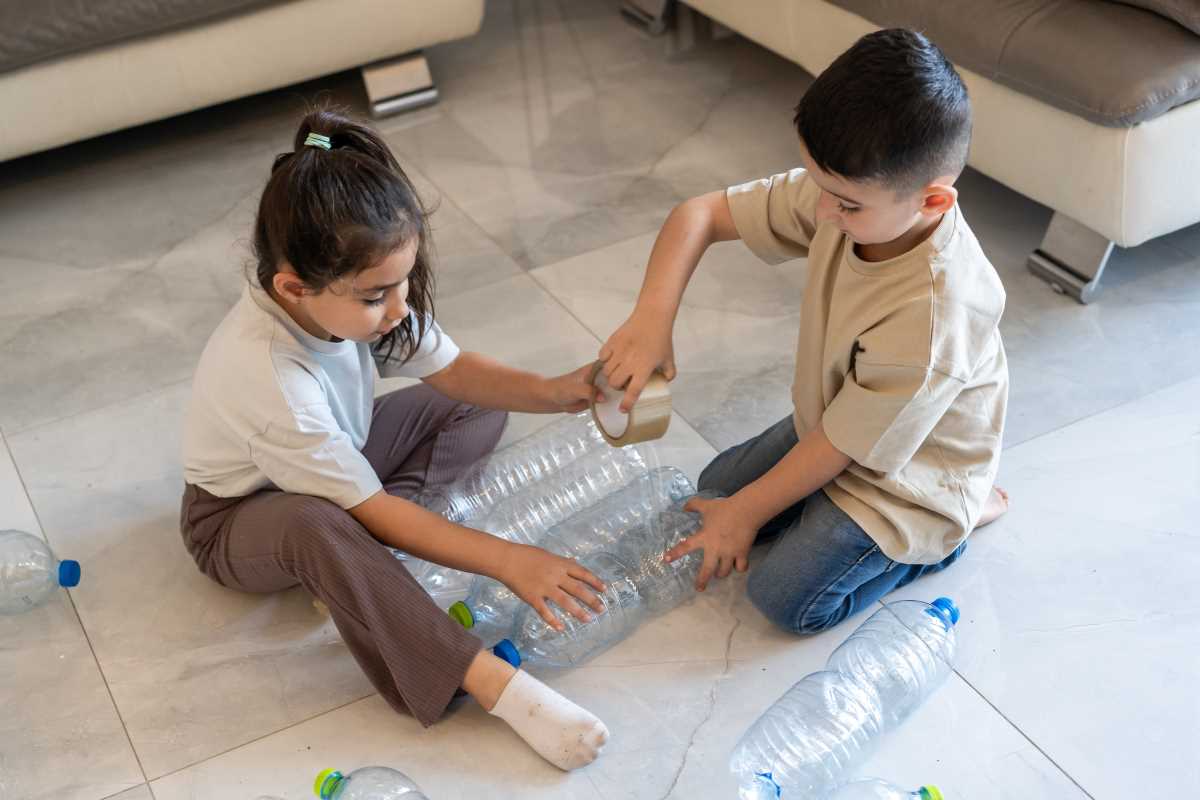
Group work enhances communication and critical thinking. Students can tackle a community issue—like reducing cafeteria waste—and present a bilingual solution. Dividing research, drafting, and speaking parts across groups gets everyone involved with the topic and practicing languages.
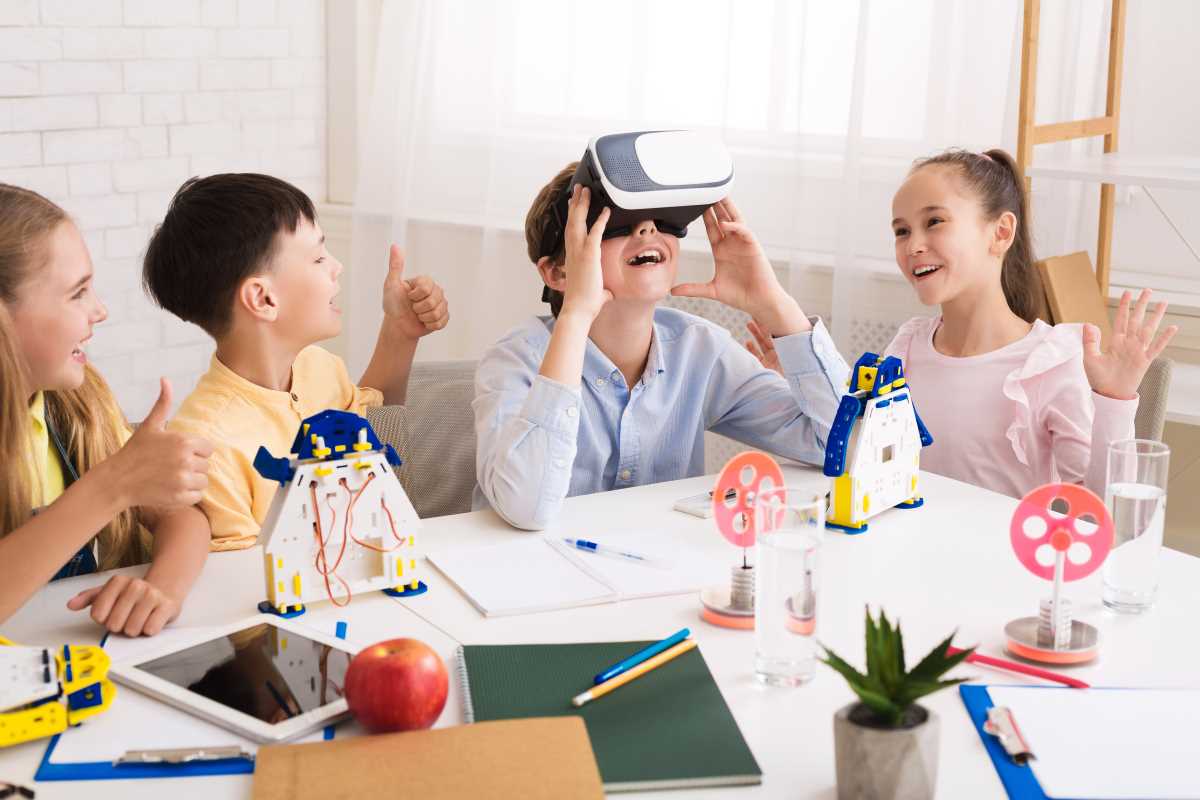
In one classroom exercise, teams simulate business startups. They create a name, slogan, and marketing plan in both languages, then pitch to peers. Designing a budget, forecasting sales, and fielding questions test financial logic and clear expression. Collaboration sparks new ideas that no single student might reach alone.
Teach Code-Switching as a Cognitive Tool
Switching mid-sentence between languages isn’t a mistake—it’s a brain hack. When you let teens alternate languages in discussions or written reflections, they activate different neural pathways. This mental cross-training improves attention control and task-switching speed.
Invite students to rewrite a math word problem by swapping key terms into their second language. Then solve it. This shift forces them to slow down, digest each concept, and rely on precise meaning rather than rote recall. Once they master switching on the fly, they handle multitasking in class presentations and exams more confidently.
Use Abstract Reasoning Games
Games like Sudoku, logic grids, or strategy board games teach pattern recognition and forward planning. Encourage teens to play these puzzles in groups, explaining their moves in both languages. For example, “Place the 5 in the top-right square because…” in English, then recap in the other tongue.
Include word-based puzzles too—like crosswords that require definitions in both languages or bilingual Scrabble matches. Tackling word ladders where each rung switches the language gives a quick mental workout. As players juggle letters and meanings, they sharpen both vocabulary and problem-solving speed.
Build Executive Function with Routine and Reflection
- Daily Planning Ritual: Ask students to write a quick to-do list in one language at the start of class, then switch to their other language mid-list. This simple habit trains working memory and flexible thinking. Checking off tasks in two tongues shows progress and mental clarity.
- Reflection Journals: At the end of the day, have learners jot down a challenge they faced and how they overcame it—first in their primary language, then in their second. This practice strengthens self-monitoring skills, boosts metacognition, and helps them adapt strategies quickly when new problems come up.
Establishing consistent routines around planning and reflecting keeps brains sharp. Students learn to anticipate hurdles, track solutions, and self-correct on the go. These executive skills carry over into test time, project deadlines, and even social situations.
Integrating language play, teamwork, and puzzles helps bilingual students develop creative and logical thinking. These methods improve their skills, build confidence, and prepare them for future challenges.