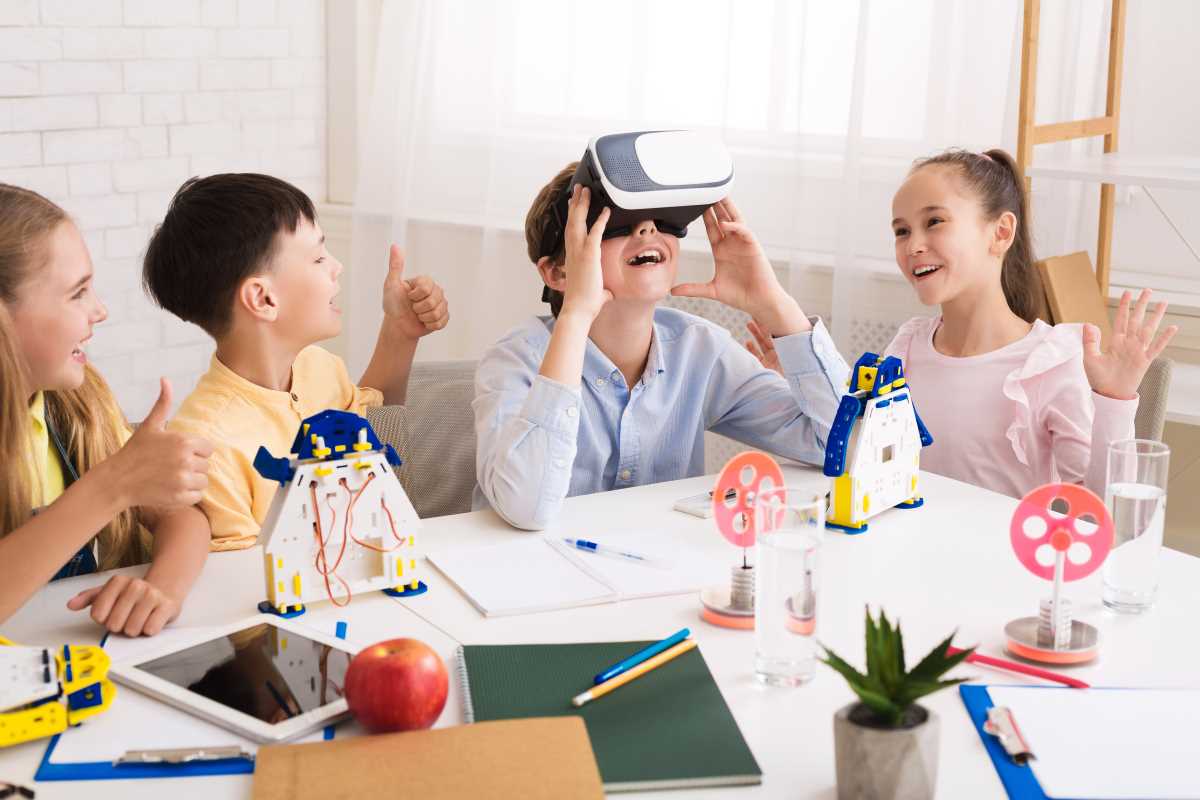
Students often show genuine excitement when they tackle science problems that connect to their own interests. When teenagers take the lead in designing lab experiments or running coding sessions, their enthusiasm and engagement grow far beyond what a traditional lecture can offer. Allowing students to choose their own projects and collaborate on the process encourages them to ask questions, explore new ideas, and find solutions on their own terms. Teachers who give students this kind of freedom create a classroom atmosphere where curiosity and hands-on learning become the main forces behind discovery. This approach helps young people find personal meaning in their education and inspires deeper learning.
This shift from teacher-led demonstrations to student-driven missions changes the vibe in class. Instead of passively absorbing concepts, young inventors test real questions, troubleshoot in real time and learn resilience from small setbacks. That hands-on excitement ripples through hallways, fueling passion for math models, biology explorations or robotics builds.
Giving Students Voice in the Lab
- Invite learners to pitch questions that matter: Ask students to list three issues they notice around campus or community, then vote on which challenge they want to solve together. This approach turns typical assignments into personal missions, igniting ownership and inspiring creative problem-solving.
- Set up flexible workstations: Provide modular tables stocked with common lab supplies and digital tools. Let teams decide which instruments fit their needs for each project. This choice fosters autonomy and teaches resource management as students track usage, budget small purchases and share gear.
- Rotate leadership roles weekly: Assign roles like data analyst, materials curator and presentation lead on a rotating schedule. Students take turns shaping priorities, organizing meetings and briefing peers on progress. This structure builds communication skills and helps shy participants step forward.
- Create a “challenge funnel”: Start broad with 20 student-submitted problem prompts, then narrow down to five through peer review. Encourage concise written proposals and quick group pitches. This practice refines idea evaluation, nurtures persuasive communication and sets up a collaborative culture.
- Invite guest innovators for closed-door Q&A: Host brief virtual or in-person chats with professionals who solved wild problems. Limit each session to five challenging questions from students. Exposure to real-world processes sharpens ambition and demonstrates how creative risk-taking leads to breakthroughs.
Turning Curiosity into Challenge-Based Learning
When students select projects that resonate with their own experiences—like testing water runoff patterns near their homes or programming a sensor for a pet feeder—they see the relevance of STEM in daily life. That intrinsic pull keeps them logging extra hours in the lab and asking deeper questions about data trends and design flaws.
Embedding creative ways to integrate project-based learning in STEM education into each stage ensures these challenges stay fresh. Instead of just checking boxes, students learn to find patterns, iterate on prototypes and document results rigorously—skills they’ll carry into college and any technical career.
Practical Frameworks for Classroom Projects
- Challenge Brainstorming Session: Kick off each new module with a group ideation meeting. This step encourages teams to pinpoint a single compelling question, map out three actionable sub-goals and sketch a prototype concept. It costs nothing beyond classroom time, and the secret tip is to use a simple online whiteboard so everyone adds at once without talking over one another.
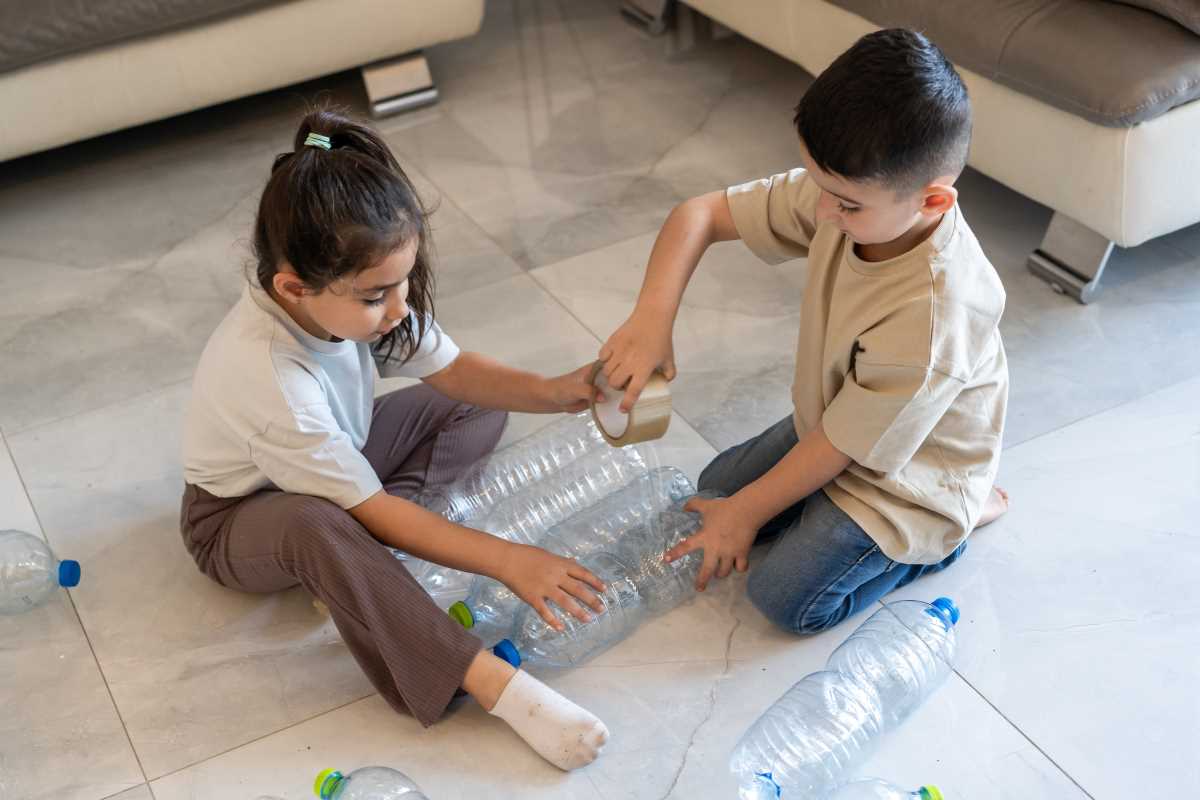
- Rapid Prototype Sprint: Allocate a two-hour block for students to build a quick mock-up using recycled cardboard, basic sensors or free software tools. The benefit lies in uncovering design flaws early. Guide them through three iterations—sketch, mock-up, mini-test—then record each tweak’s impact. Insider tip: designate a timer person to keep the pace sharp.
- Data Collection Plan: Each team drafts a step-by-step measurement protocol, listing required tools, sample sizes and scheduled checkpoints. They then budget time for three calibration runs before the real test. If a digital sensor costs under $20, they learn to manage small expenses. Cozy tip: encourage them to stash spare batteries and cables in a shared bin to avoid last-minute scavenging.
- Peer Feedback Roundtable: Schedule a mid-project showcase where teams present live demos to two other groups in short, five-minute rotations. Observers provide at least one positive note and one question for clarity. This builds confidence and teaches students to address critical questions on the fly. Insider hack: hold it standing up to keep energy high.
- Reflective Revision Cycle: After initial testing, teams complete a brief report outlining three successes, two surprises and one lesson learned. They then refine their prototype or code for a final run. This reflection step deepens critical thinking. Pro tip: offer a simple rubric that highlights creative pivots to reward adaptive thinking over just flawless execution.
Fostering Peer Collaboration
- Start with mixed-skill teams: Group students so that each team has a self-described “tech whiz,” a “documentarian” and someone who prefers creative writing. Rotate members every two challenges to build empathy and new working styles.
- Pair journals with partners: Have students keep a quick daily log of roadblocks and discoveries, then swap journals each week. Reading a peer’s perspective teaches fresh methods and builds constructive critique skills.
- Host mini–hackathons: Every six weeks, dedicate an after-school two-hour slot for rapid challenge sprints. Teams pick a micro-project—like designing a smartphone app icon—and prototype under a time limit. The tight deadline sparks collegial support and hilarious brainstorming sessions.
Watching students lead their own STEM adventures rewrites the script on engagement. When they brainstorm, prototype and iterate with peers, they own every insight and misstep. That sense of agency carries forward long after the final prototype comes down.
When young innovators solve real problems, they gain confidence and see science and technology differently. This experience can spark lasting enthusiasm for discovery.